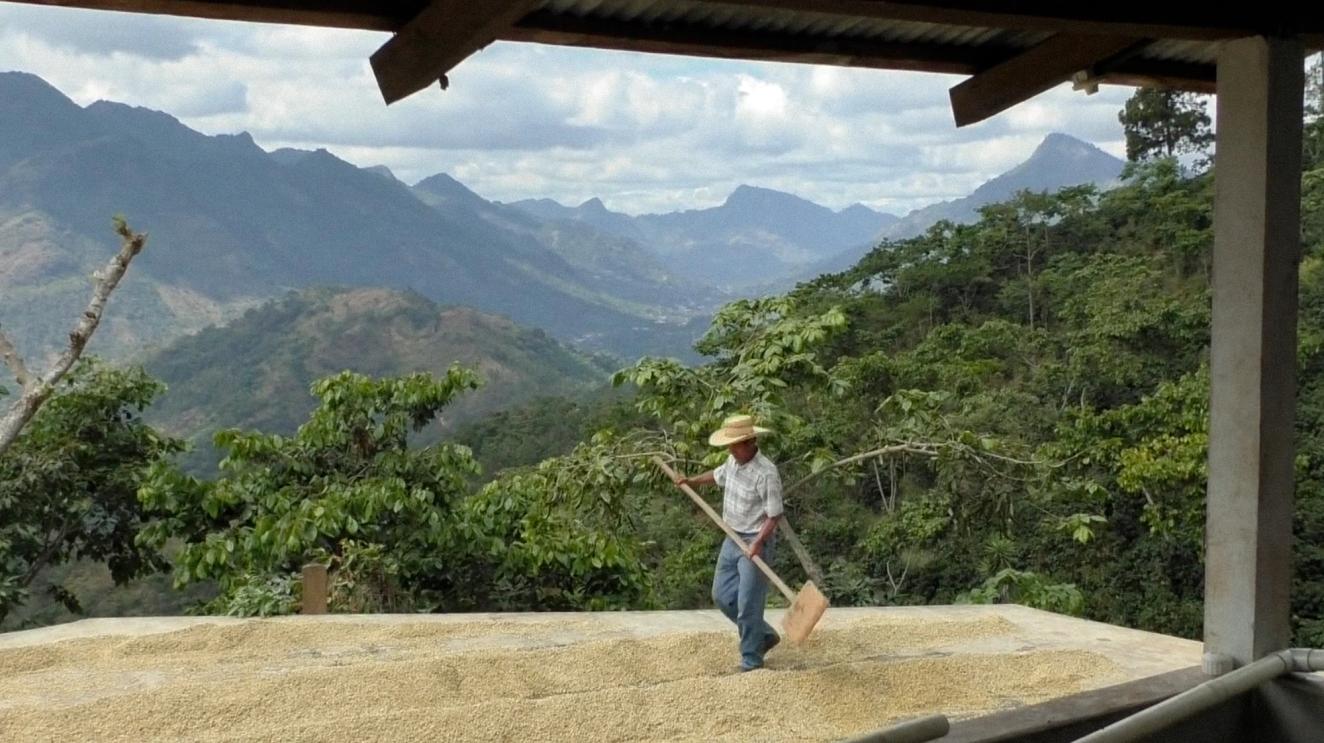
As with any other agricultural product, coffee is a seasonal fruit and its plant follows the same cycle as any other
Planting/pruning, blossoming, fruit development, and harvesting. Being a global crop, this cycle happens at different times of the year, depending on where the plant is located.
If we consider January the beginning of the season, you’ll find Central American and Asian growers mid-harvest, most African growers just about all finished, and South Americans still waiting for their fruit to develop.
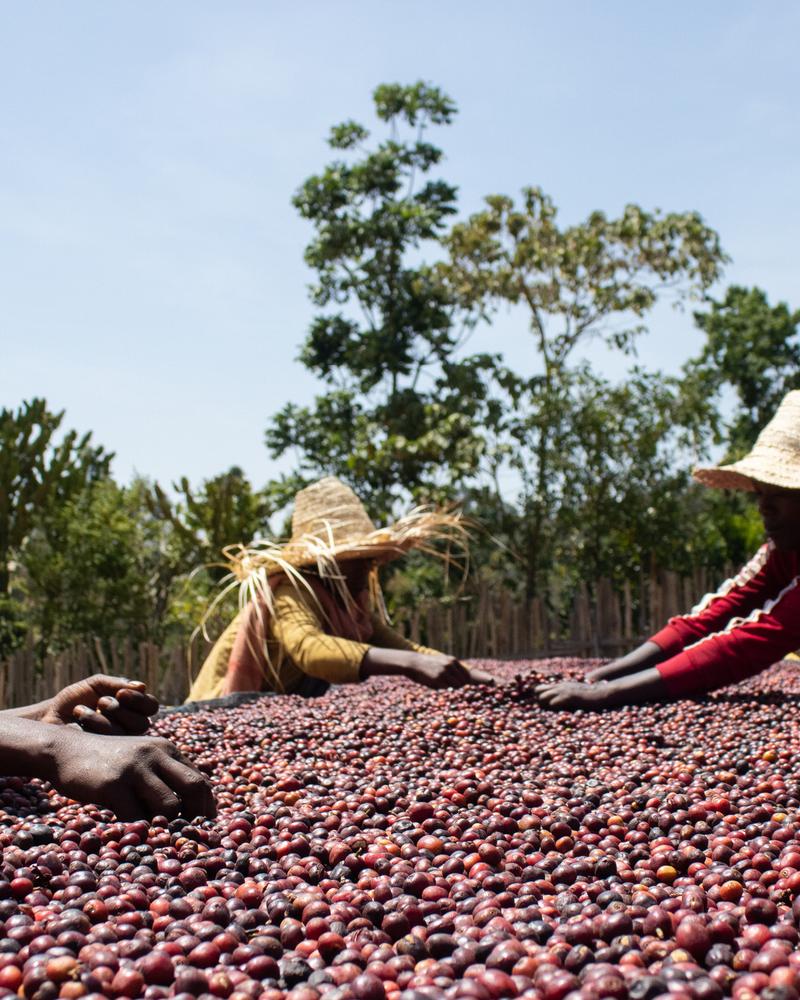
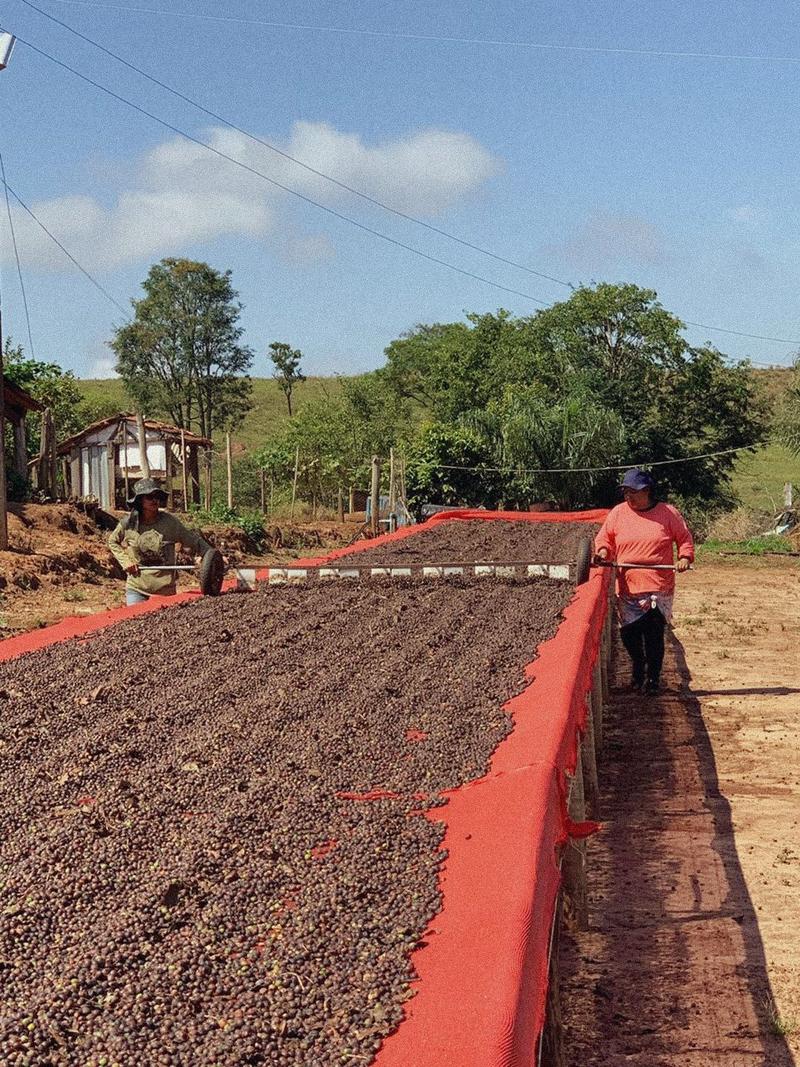
Even though the majority of coffee grows within what we call“the coffee belt”(an equatorial band between the Tropics of Cancer and Capricorn), the opposite seasons in the Northern and Southern Hemispheres, combined with varied climatic conditions like temperature, sunlight, rainfall, and altitude across different latitudes, affect coffee seasonality across the globe. This means that even though we can get coffee all year round, it will come from different parts of the world, depending on where it is in season.
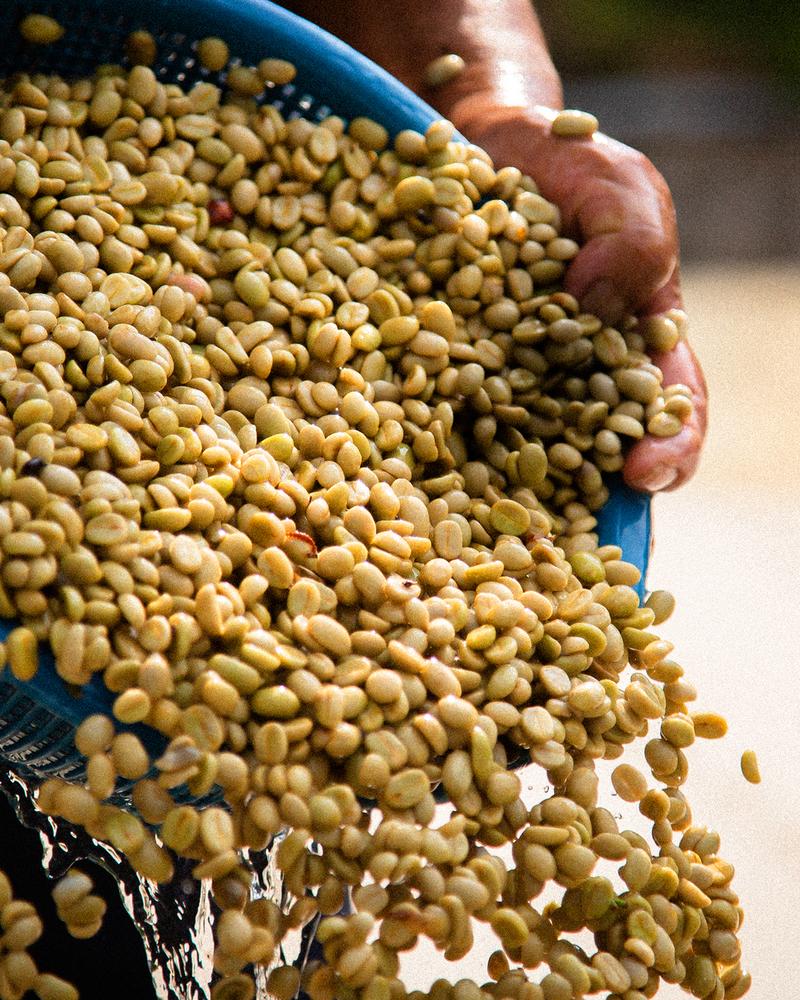
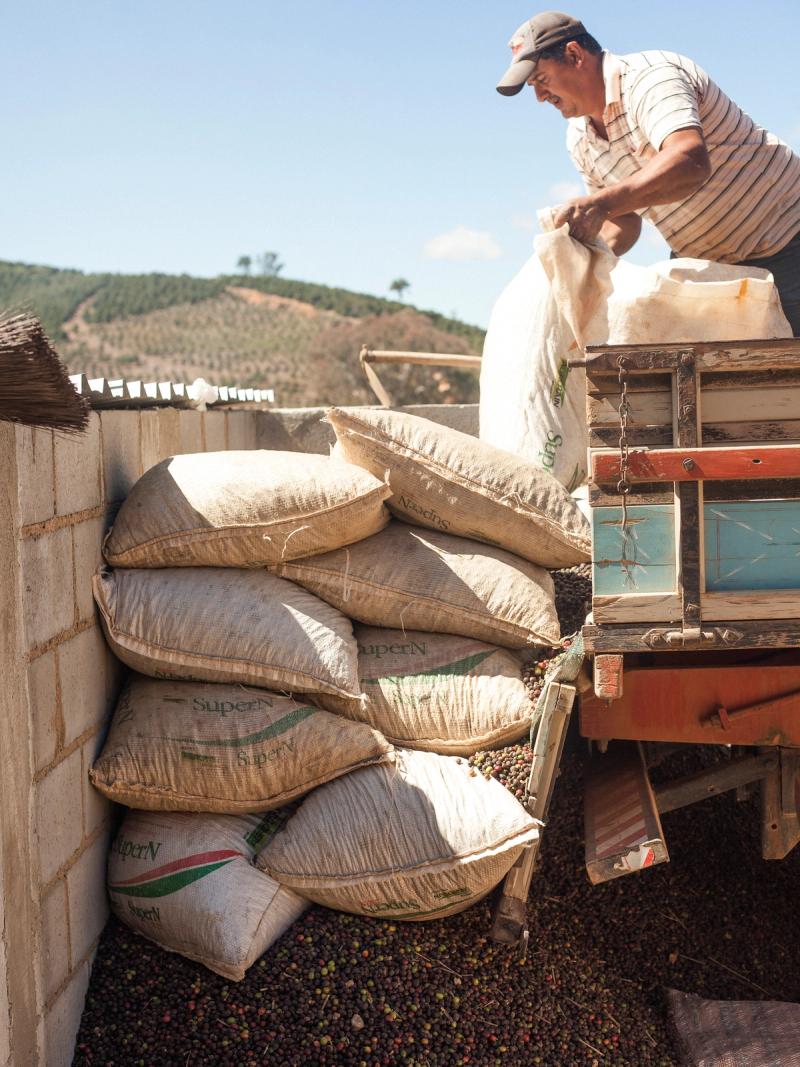
Seasonality also means a fresh crop doesn’t stay fresh forever, as would be expected from any natural, agricultural product. Green coffee beans generally keep their optimal freshness for up to six months. Depending on their origin, drying, and storing conditions, some lots can keep fresh for up to one year.
It’s important for coffee buyers and roasters to consider seasonality when making their purchasing decisions and planning their coffee menu. At Allpress, we follow coffee seasonality across the globe very closely, ensuring we purchase, import, roast, and brew fresh coffees throughout the year. We typically start with Asian, South American and some African lots early in the year, moving to industry favourites Ethiopians and Kenyans in spring, followed by Central American lots, and circling back to Asia and Africa towards the end of the year.
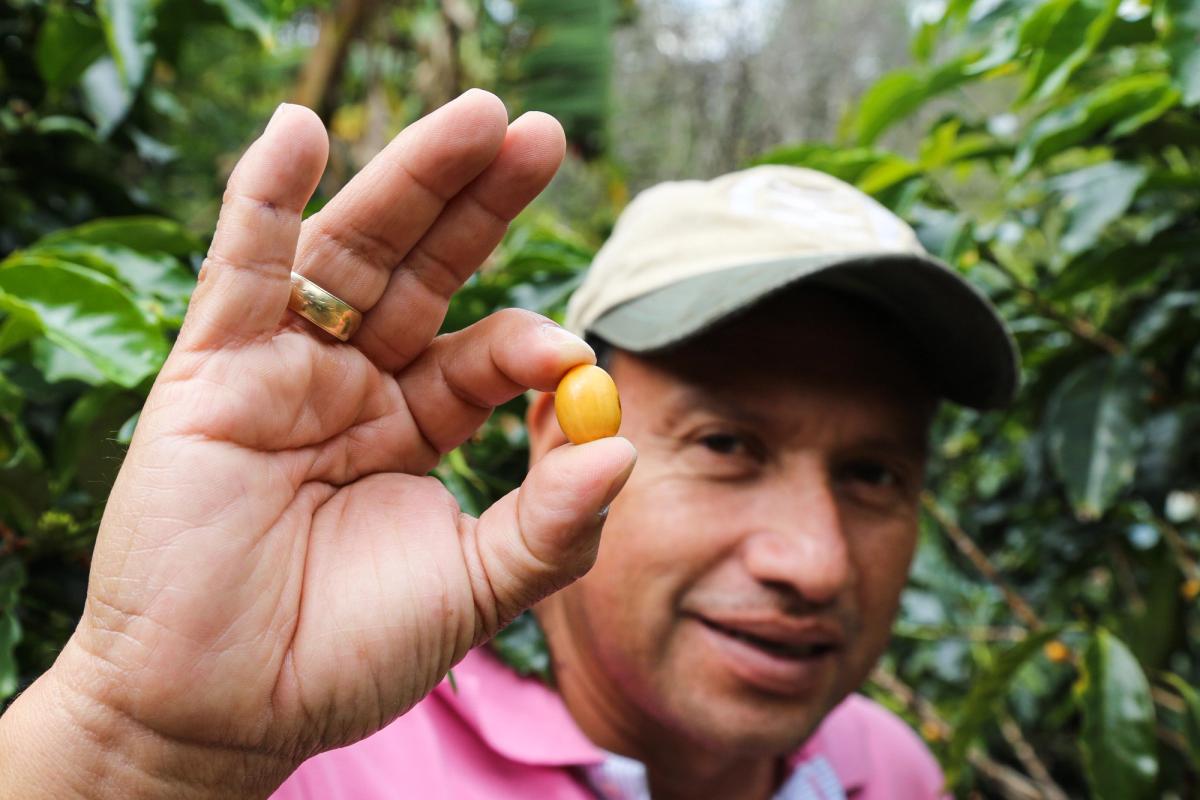
There are other points to consider when it comes to seasonality and freshness:
- Some countries have long harvest periods, that can cover several months. Securing lots at the beginning and at the end of the harvest can help stretch supply seasonality and freshness.
- Some countries harvest all year round. Countries like Colombia, Ecuador, and Indonesia can harvest all year round due to their diverse landscapes and microclimates.
- Some countries harvest twice a year. Multiple regions within Colombia and countries like D.R. Congo, Uganda, Kenya, and Papua New Guinea get a main harvest, where coffee production is high, and a second harvest later in the year – what we call fly crop – which produces a smaller yield.